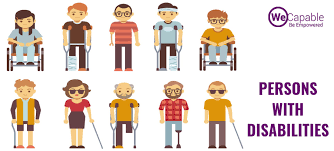
Disabilities can affect people in different ways, and understanding the main types can help create a more inclusive and supportive society. A disability may be present from birth, develop due to an illness, result from an injury, or occur as part of the aging process. While every individual's experience is unique, disabilities are generally categorized into several broad types.
1. Physical Disabilities
Physical disabilities affect a person's mobility, strength, coordination, or physical functioning. Examples include paralysis, muscular dystrophy, cerebral palsy, and limb loss. Some individuals may use wheelchairs, prosthetic limbs, or other assistive devices to support daily activities.
2. Sensory Disabilities
Sensory disabilities involve one or more of the body's senses, most commonly vision and hearing. Visual impairments can range from partial sight loss to complete blindness, while hearing impairments may include partial hearing loss or deafness. Assistive technologies such as hearing aids, screen readers, and Braille can help improve accessibility.
3. Intellectual Disabilities
Intellectual disabilities affect cognitive functioning, learning ability, problem-solving skills, and adaptive behavior. Individuals with intellectual disabilities may require additional support in education, communication, or daily living tasks. Conditions such as Down syndrome are often included in this category.
4. Developmental Disabilities
Developmental disabilities typically appear during childhood and can affect physical, learning, language, or behavioral development. Examples include autism spectrum disorder (ASD) and certain learning-related developmental conditions. The level of support needed can vary significantly from person to person.
5. Learning Disabilities
Learning disabilities impact how a person processes, understands, or uses information. Common examples include dyslexia, dyscalculia, and dysgraphia. These conditions do not reflect intelligence levels but may require specialized learning strategies and educational support.
6. Mental Health and Psychological Disabilities
Some disabilities are related to mental health conditions that significantly affect daily functioning. These may include severe anxiety disorders, major depressive disorder, bipolar disorder, or schizophrenia. Appropriate treatment, therapy, and support can help individuals manage these conditions effectively.
In my view, understanding the different types of disabilities is important because it promotes awareness, reduces misconceptions, and encourages equal opportunities for everyone. Rather than focusing solely on limitations, it is equally important to recognize the abilities, strengths, and contributions that individuals with disabilities bring to schools, workplaces, and communities.