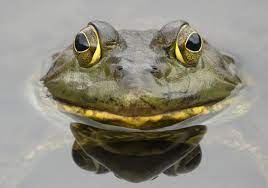
Yes, frogs do have teeth, but not all frogs have them, and they are quite different from human teeth. Most frog species have tiny teeth on their upper jaw that help them grip and hold prey before swallowing it whole.
Frogs belong to a diverse group of amphibians, and their feeding habits have shaped the way their mouths are designed. Unlike mammals, frogs do not use their teeth for chewing food. Instead, they typically catch prey such as insects, worms, spiders, and other small animals with their sticky tongues and then swallow them whole. Their teeth serve mainly to prevent prey from escaping rather than to bite or tear food apart.
Many frogs possess two types of teeth. The first are called maxillary teeth, which form a row of very small teeth along the edge of the upper jaw. The second type is known as vomerine teeth, which are small patches of teeth located on the roof of the mouth. These teeth work together to help frogs secure slippery prey while positioning it for swallowing.
Interestingly, frogs do not usually have teeth on their lower jaw. This is one of the reasons they are unable to chew food the way humans and many other animals do. Once prey is caught, frogs often use their eyes to help push food down into their throat. By pulling their eyeballs slightly downward, they create pressure that assists in swallowing.
Not all frogs have teeth, however. Scientists have discovered that several frog species have lost their teeth over the course of evolution. One well-known example is the African Clawed Frog, which lacks teeth entirely and relies on suction and swallowing mechanisms to feed. Research suggests that tooth loss has occurred multiple times in frog evolution, likely because different feeding strategies made teeth less necessary for some species.
The presence or absence of teeth often depends on what a frog eats and how it captures food. Frogs that consume larger or more active prey may benefit from having teeth to maintain a firm grip. In contrast, species that feed on tiny organisms or use alternative feeding methods may not need them at all. This variation highlights the remarkable adaptability of amphibians to different environments and diets.
A common misconception is that frogs can bite humans using sharp teeth. In reality, most frog teeth are so small that they rarely cause any discomfort. Larger frog species may exert some pressure if they bite defensively, but their teeth are not designed to injure predators or humans.
In conclusion, frogs do have teeth in many cases, but they use them very differently from humans. Their tiny upper-jaw teeth primarily help hold prey in place, while some frog species have evolved to live successfully without teeth altogether. This unique adaptation is another example of how animals develop specialized features to suit their feeding habits and ecological roles.