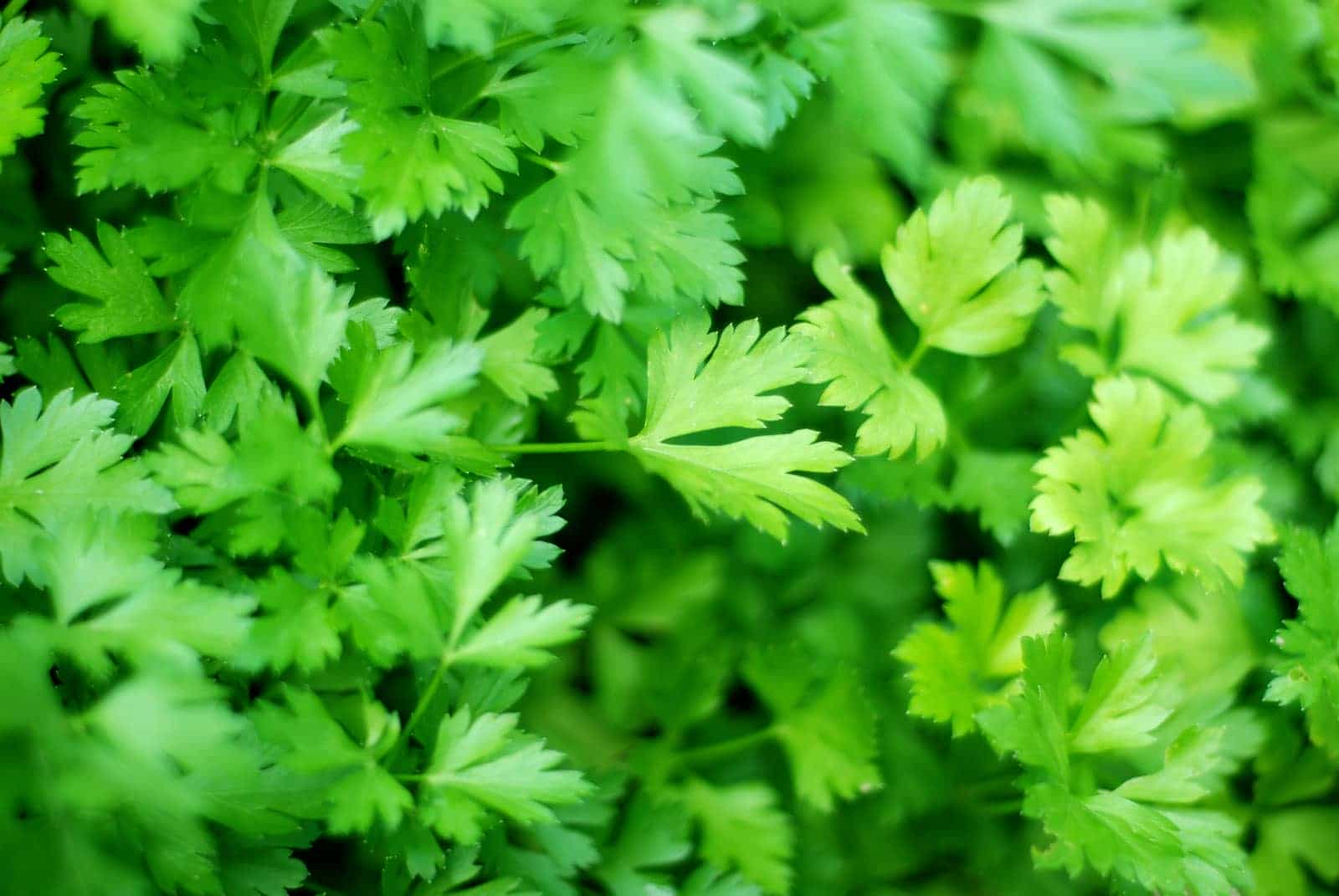
Parsley is commonly written in Hindi as "पार्सले" (parsley). Unlike coriander, parsley does not have one widely used traditional Hindi name because it is not as deeply rooted in everyday Indian cooking. You may sometimes see it described as "अजमोद" (ajmod), but that name can create confusion because Indian plant names vary by region and "ajmod" is also used for related plants and spices.
So, if you're buying parsley in India, asking for "parsley" or "fresh parsley" is usually clearer than asking for dhaniya.
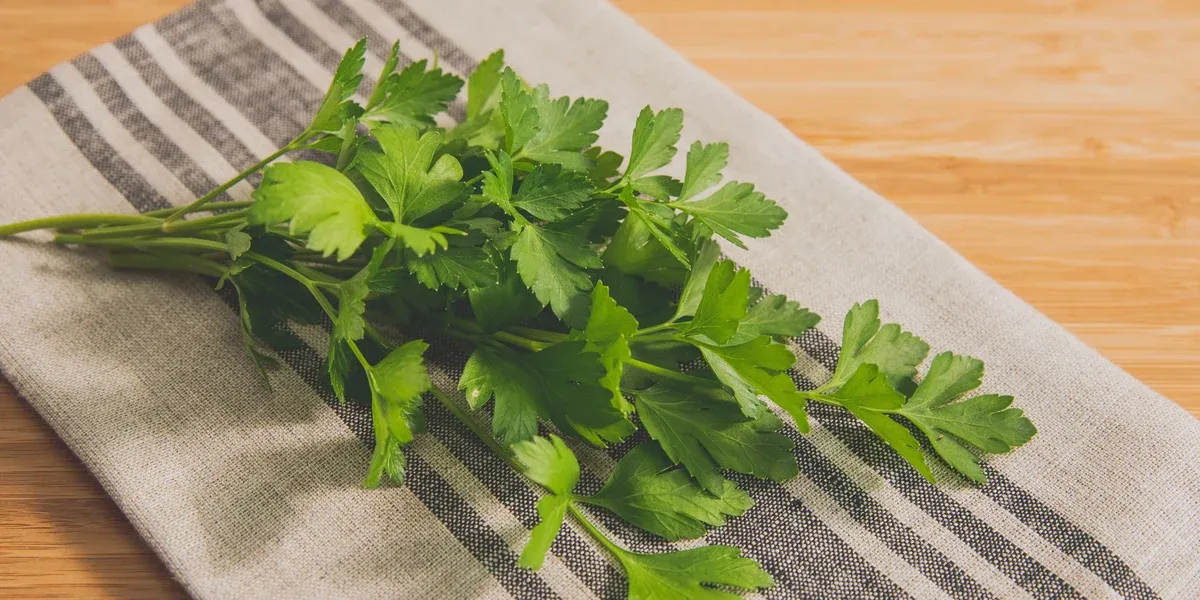
Parsley (PAR-slee)
From my perspective, the parsley-versus-dhaniya confusion matters more than finding a perfect Hindi translation. They look similar, but they aren't the same herb.
What Is Parsley?
Parsley (Petroselinum crispum) is a green culinary herb belonging to the Apiaceae family. The same botanical family also includes coriander, celery, carrots, and several other familiar plants.
Two varieties you're likely to encounter in cooking are flat-leaf, often called Italian parsley, and curly parsley.
Parsley has a fresh, slightly peppery and herbal flavor. It is commonly used in Mediterranean, European, Middle Eastern, and American cooking.
Parsley vs. Dhaniya
This is where people in India often get confused.
Feature | Parsley | Dhaniya |
|---|---|---|
English name | Parsley | Coriander/Cilantro |
Botanical name | Petroselinum crispum | Coriandrum sativum |
Hindi usage | Usually called parsley/पार्सले | धनिया |
Taste | Fresh, mild, slightly peppery | Stronger, citrusy and distinctive |
Common Indian use | Less common | Extremely common |
Both plants belong to the Apiaceae family, but they are different species.
So if a Western recipe asks for parsley, I wouldn't automatically substitute dhaniya just because the leaves look similar. It can noticeably change the flavor.
How to Identify Parsley
Flat-leaf parsley can look surprisingly similar to coriander at first glance.
Look a little closer, though. Parsley generally has more pointed, defined leaf edges and a firmer appearance. Coriander leaves tend to look softer and more rounded.
Smell is often the easiest clue. Coriander has a much more distinctive aroma, while parsley smells milder and more grassy.
Curly parsley is much easier to recognize because its leaves are tightly curled.
Common Uses
Parsley is often used in:
Pasta and sauces
Soups and stews
Salads
Roasted vegetables
Marinades and dressings
Garnishes
Middle Eastern dishes such as tabbouleh
Fresh parsley is particularly useful when added toward the end of cooking because its fresh flavor can become less noticeable with prolonged heating.
One practical thing I've noticed with international recipes is that identifying the exact herb matters. Replacing every unfamiliar green herb with dhaniya may work occasionally, but it doesn't always produce the flavor the recipe intended.
Frequently Asked Questions (FAQs)
1. Is parsley called dhaniya in Hindi?
No. Dhaniya is coriander (Coriandrum sativum), while parsley is Petroselinum crispum. They are related botanically but are not the same plant.
2. Is parsley called "ajmod" in Hindi?
You may encounter "ajmod" as a translation, but the term can refer to related plants in Indian usage. Asking specifically for parsley is usually less confusing.
3. Can I replace parsley with coriander?
You can in some recipes, but expect a different taste. Coriander has a stronger, more distinctive flavor.
Must Read: How do you tell someone that she/he doesn't cook well?