Quick Answer
From a cybersecurity perspective, Truecaller is a legitimate application with mature security controls and internationally recognized compliance certifications. The company is ISO 27001 certified and complies with major frameworks like the GDPR and DPDP. The primary trade-off is not device security, but the level of personal information users choose to share through app permissions. Users who configure these permissions appropriately can benefit from its caller identification and spam protection while maintaining control over their privacy.
In this guide you will learn:
-
How Truecaller handles your data according to its official policies
-
The realities of its AI Call Scanner and SMS filtering
-
Pros, cons, and a competitor comparison
-
What global privacy regulations mean for your rights
-
Answers to the most frequently asked privacy questions
Introduction to Truecaller's Privacy Landscape
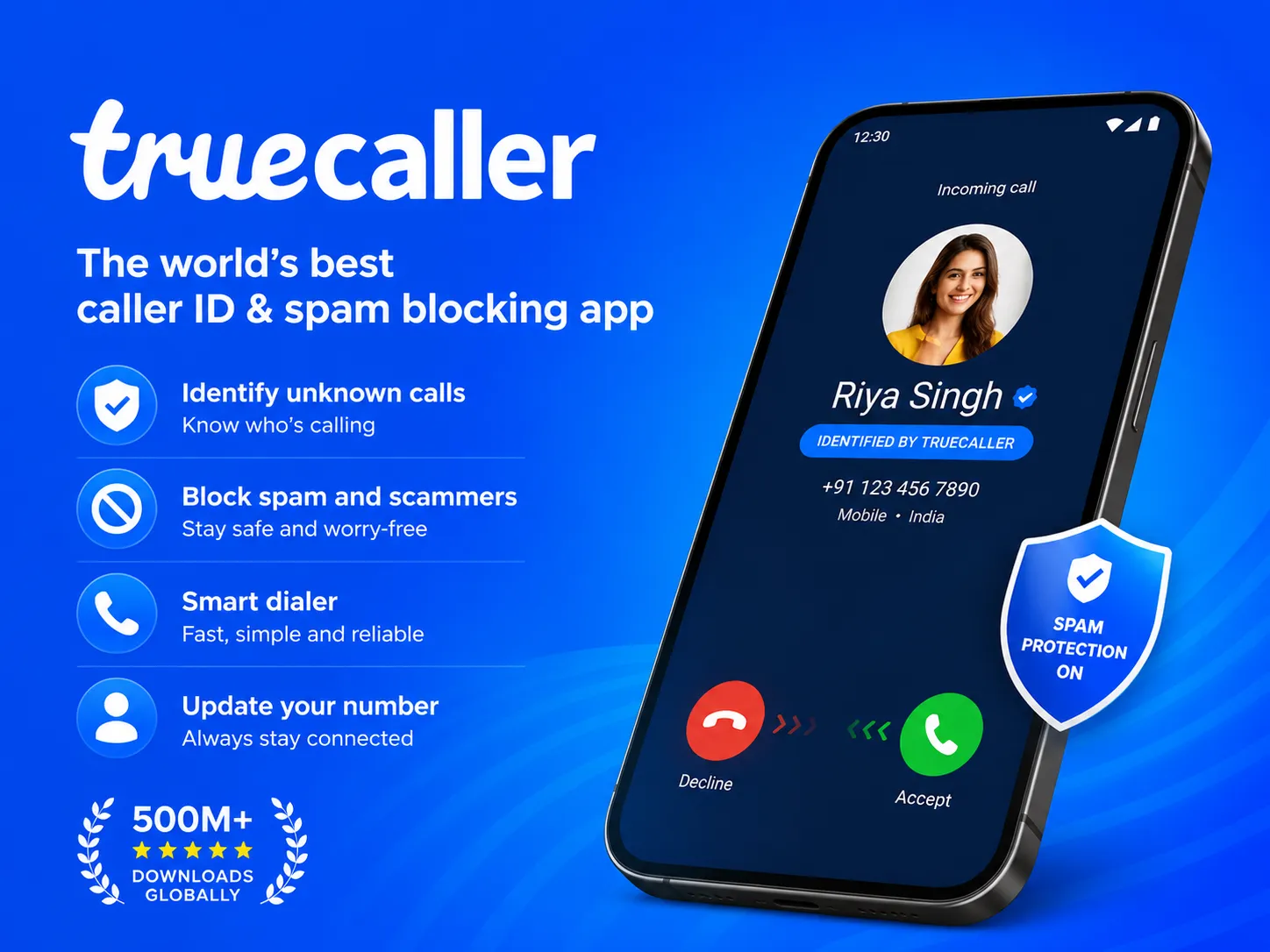
According to Truecaller, the platform has over 500 million active users worldwide. It is designed to act as a communication trust layer, identifying unknown numbers and blocking telemarketers. However, utility apps that require access to your phone's communication logs frequently trigger privacy concerns.
To build its global database, the app historically relied on users voluntarily sharing their contact lists. Today, users regularly ask if Truecaller is safe or if it trades digital privacy for convenience. This guide breaks down the facts based on the company's publicly available documentation.
What Data Does Truecaller Actually Collect?
To provide caller ID and fraud protection, Truecaller processes specific user data. According to its Privacy Policy, the company states it operates under the principle of data minimization, collecting only the information required to deliver its services.
Depending on the permissions you grant, the app may collect:
-
Device Identifiers: IP addresses, device manufacturer, and operating system data.
-
Call Metadata: The app logs the time, duration, and frequency of incoming calls to detect mass-spamming behavior.
-
Location Data: General, approximate location data used to route local spam lists.
-
Profile Information: Your registered phone number, name, and any profile tags you manually assign.
How the Security Features Work
Truecaller offers security features that aim to protect users from modern digital threats.
1. The AI Call Scanner
Truecaller describes its AI Call Scanner as a feature that helps identify AI-generated voices during phone calls. While the company has not publicly disclosed the complete technical implementation, it states the tool is designed to warn users of potential voice-cloning scams.
2. Decentralized Spam Algorithms
Instead of relying on a static list of bad numbers, Truecaller uses decentralized, crowdsourced reports. According to the company, if a specific number exhibits spam-like behavior and gets flagged by multiple users, the algorithm updates the global database to proactively block the number for others.
3. SMS Filtering
According to Truecaller, its SMS filtering feature is designed to identify spam while respecting user privacy. Users should review the latest Privacy Policy to understand exactly how SMS permissions are used, but the company states it categorizes messages locally on your device to separate OTPs from promotional texts.
Pros and Cons of Using Truecaller
Before downloading, consider the objective advantages and trade-offs.
Pros:
-
Excellent spam detection and call blocking
-
Verified business profiles reduce phishing risks
-
Strong privacy controls available in the settings
-
Massive global user community for accurate reporting
Cons:
-
Requests sensitive permissions to function fully
-
Some advanced features require data sharing
-
Privacy-conscious users may prefer alternative methods
Who Should Use Truecaller?
Different users have different risk profiles. Here is a general recommendation based on user needs:
| User Type | Recommendation |
| Frequent spam recipients | Highly recommended |
| Business owners | Recommended |
| Senior citizens | Recommended |
| Maximum privacy users | Consider alternatives |
| Minimal app permissions | Use with limited permissions |
Competitor Comparison
To understand how Truecaller stacks up against alternative options, see how its core features compare to native and third-party dialers.
| Feature | Truecaller | Hiya | Google Phone | Apple CallKit |
| Spam Blocking | Yes | Yes | Yes | Partial |
| Crowdsourced ID | Yes | Yes | No | No |
| Deepfake Detection | Yes | No | No | No |
| Cross-Platform | Yes | Yes | Android Only | iOS Only |
Common Misconceptions
Myth: Truecaller sells your phone number.
Reality: According to the company's official Privacy Policy, it does not sell users' phone numbers or names to third parties. Revenue is primarily generated through advertising and premium subscriptions.
Myth: Truecaller reads your private text messages.
Reality: Truecaller states that SMS filtering is processed locally on the device to identify spam, without storing or reading the personal content of private conversations.
Regulatory Compliance
Truecaller is a publicly traded company audited against international frameworks. Here is what their compliance means for you:
-
GDPR (Europe): Ensures users have the right to access their data, the right to delete their information, and strict consent requirements before data processing.
-
DPDP (India): Governs data processing rules, mandates clear user consent, and allows the withdrawal of consent for Indian residents.
-
CCPA (California): Empowers California residents with data access rights and the ability to opt out of certain data processing activities.
Actionable Steps to Maximize Your Privacy
If you want the protection of Truecaller without oversharing your data, follow these configuration steps:
-
Restrict Unnecessary Permissions: In your phone's system settings, deny Truecaller access to your precise GPS location, camera, or SMS if you only want basic call blocking.
-
Set Profile to Private: In the app's privacy settings, set your profile visibility to "Requests Only." Other users must ask for your explicit permission to view your details.
-
Use the "Unlist" Feature: If you do not want to use the app, visit the official Truecaller website and use the "Unlist" tool to permanently remove your phone number from their global search directory.
Expert Verdict
From a cybersecurity perspective, Truecaller is a legitimate application with mature security controls and internationally recognized compliance certifications like ISO 27001. The primary trade-off is not device security but the level of personal information users choose to share through app permissions. Users who understand and configure these permissions appropriately can benefit from its caller identification and spam protection while maintaining greater control over their privacy.
Frequently Asked Questions (FAQ)
1. Can I use Truecaller without sharing my contacts?
Yes. You can bypass the prompt to share your local phonebook when setting up the app. Truecaller states it functions without requiring your contact list.
2. Can I remove my number from Truecaller if I don't use the app?
Yes. You can visit the official Truecaller website and utilize their "Unlist" page to remove your number from the search directory.
3. How does the free version of Truecaller make money?
The free version generates revenue through programmatic advertising and enterprise services, which charge verified businesses to maintain official badges.
4. Is Truecaller safe for banking?
According to the company, SMS filtering for banking OTPs occurs locally on the device, meaning sensitive banking details are not stored on their external servers.
5. What is the Truecaller Premium subscription?
Truecaller Premium is a paid tier that removes advertisements and provides advanced features like the AI Call Scanner and profile view notifications.
Also Read: Before making a telephone call, do you ever rehearse what you are going to say?
 Answered by