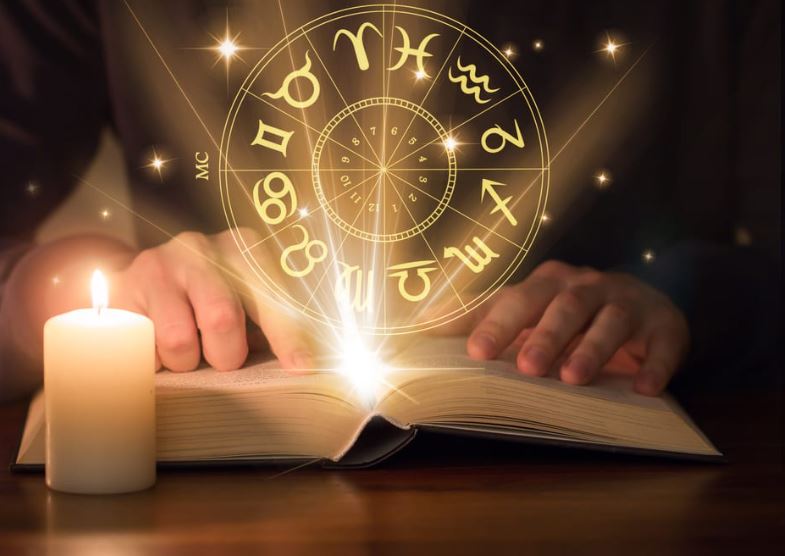
The idea that celestial bodies like the sun, moon, planets, and stars have an effect on human behavior and what happens on Earth is at the heart of astrology's main beliefs. The following are some fundamental ideas that are frequently linked to astrology:
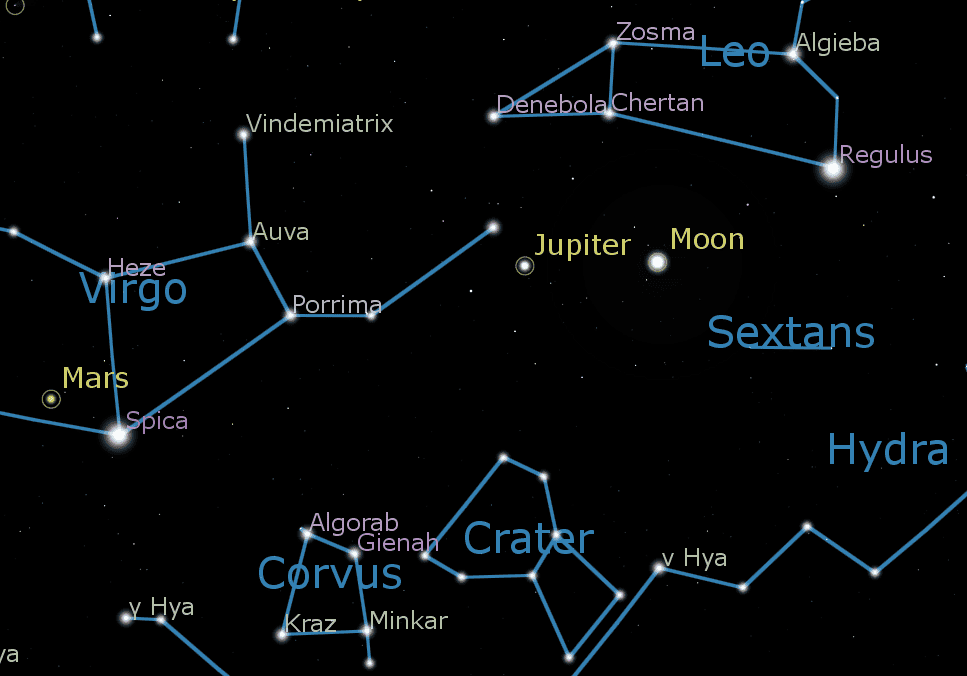
Places of the Planets: According to astrology, a person's personality traits, strengths and weaknesses, as well as their life experiences, can be gleaned from the positions of the planets at the time of their birth.
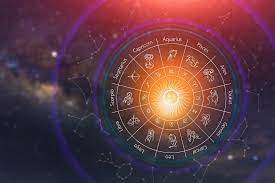
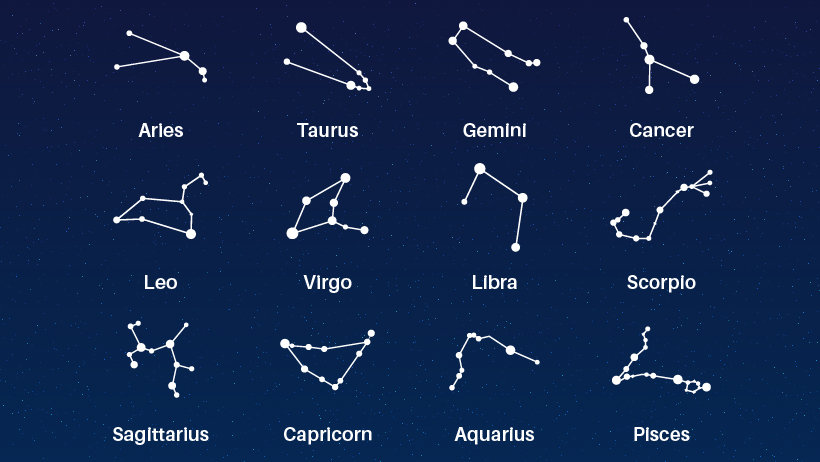
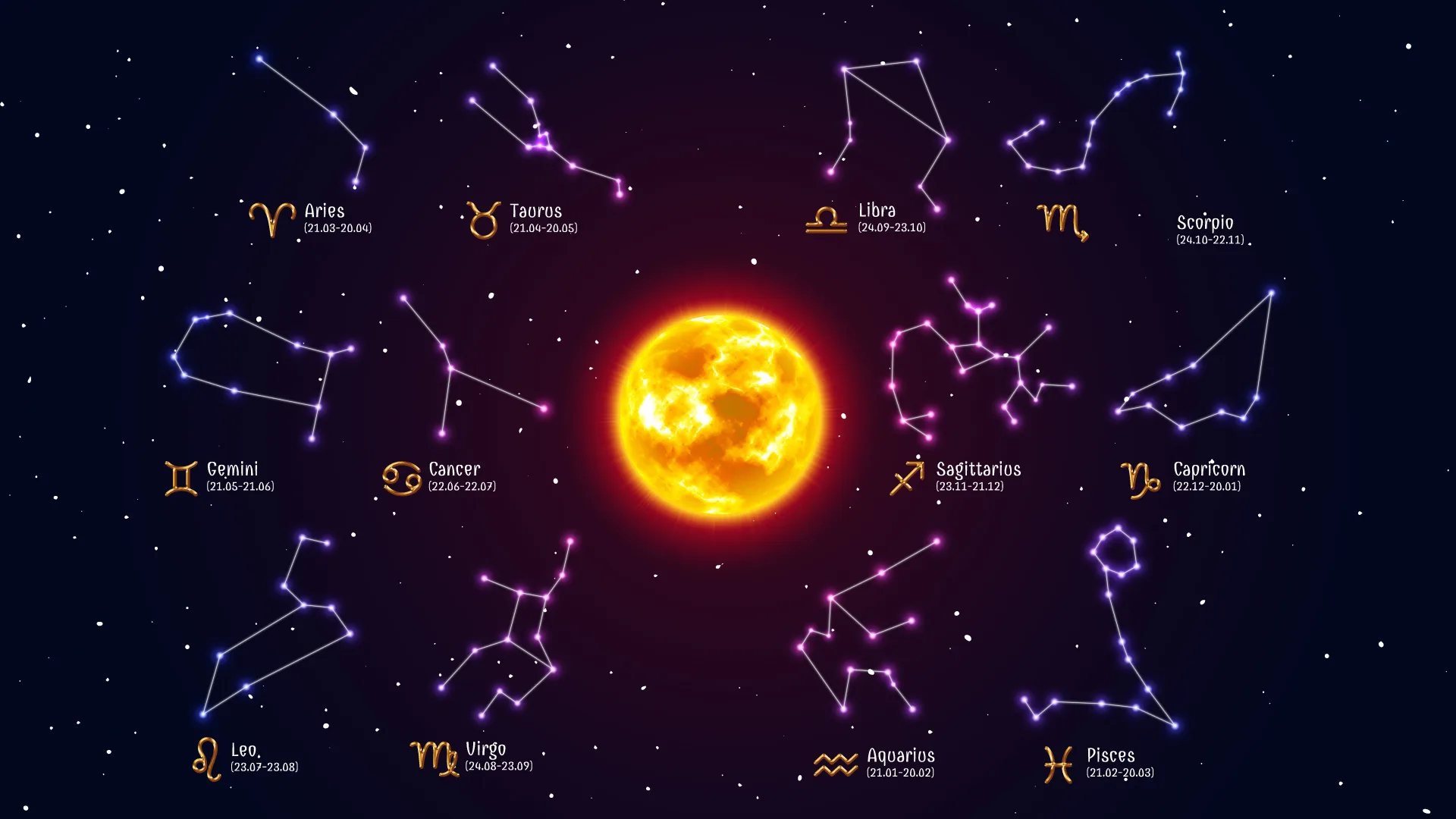
The Zodiac: The sky is divided into twelve sections, or zodiac signs, each of which corresponds to a specific day of the year, according to astrology. It is believed that a person's character, behavior, and compatibility with other people can be influenced by their zodiac sign.
Modalities and Elements: Crystal gazing classifies the zodiac signs into four components (fire, earth, air, and water) and three modalities (cardinal, fixed, and alterable). The astrological profile of a person can be better understood with the help of these classifications.
Aspects: Aspects, which are particular angles formed between two celestial bodies, are used in astrology to investigate the relationships that exist between them. A person's life's dynamics, energies, and potential influences are thought to be revealed by these aspects.
Charts of Horoscopes: Astrology maps the positions of celestial bodies at a person's birth using horoscope charts, also known as birth charts or natal charts. Astrologers can use these charts to interpret and examine a person's life in a variety of ways.
Predictive Data: Astrology is frequently used to make predictions about future events, personal development, relationships, career opportunities, and other aspects of life. Astrologers make predictions and provide direction by interpreting the progressions and transits of the planets.
Also Read- Is Really Astrology Works As Good As People Saying?