S
sahil sharma· 2 years ago
Discovering recipes, cooking techniques, and food ideas that make every meal enjoyable and approachable.

What do capybaras eat?

0
856

Join this conversation

Sort By

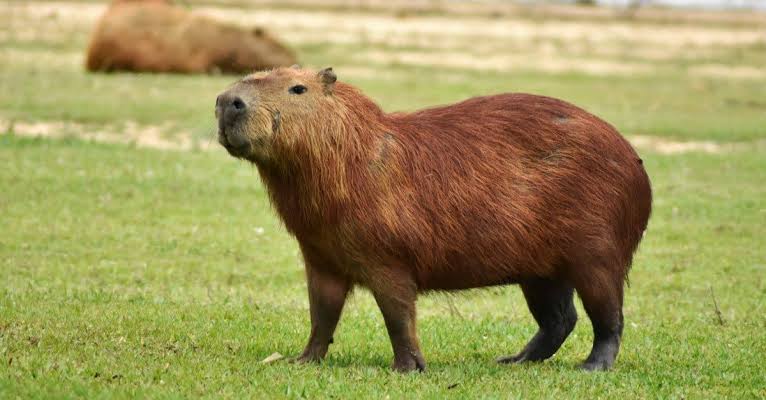
Capybaras are strict herbivores that primarily eat aquatic plants, grasses, tree bark, and fruit. A mature capybara consumes 6 to 8 pounds (2.7 to 3.6 kg) of vegetation daily, focusing on a select few plant species to maximize nutrient intake. Because they are autocoprophagous, they also eat their own cecal feces to re-ingest undigested nutrients and maintain necessary gut microbes.

From what I’ve observed working directly with capybaras in managed environments, their grazing is highly strategic rather than random. They will systematically clear a patch of specific succulent grasses down to the root before moving on, utilizing their hypsodont teeth-which grow continuously-to grind down tough, fibrous plant walls. One thing I've noticed is that they are incredibly picky; a capybara will routinely bypass lush-looking grass if it lacks the specific moisture content they desire.

The Mechanics of Capybara Digestion and Diet

  • Grass Selectivity: During the wet season, their diet consists of up to 80% of just five specific grass species, heavily favoring Hymenachne amplexicaulis (marsh grass). In the dry season, when these grasses dry out, they switch to eating reeds and more abrasive dry-land vegetation.

  • Cecotrophy Dependency: Capybaras produce two types of waste: oval feces and a soft, nutrient-rich green pellet (cecotrope). They consume the green pellets directly from the anus, which provides vital proteins and vitamins synthesized by bacteria in their large cecum.

  • Ascorbic Acid Requirement: Unlike many rodents, capybaras cannot synthesize Vitamin C on their own. In captivity, a lack of dietary Vitamin C quickly leads to scurvy, presenting as joint swelling and gum bleeding within 3 to 4 weeks.

Overlooked Nutritional Realities and Complications

A common mistake in managing capybara diets is providing unrestricted access to commercial fruits and sugary vegetables. Because their digestive systems are optimized for low-calorie, high-fiber forage, excess sugar disrupts their cecal fermentation balance, causing rapid, life-threatening bloat (tympanites) or severe enterotoxemia.
Read this too: Why should we conserve forests and wildlife?

In winter or dry conditions where aquatic plants are unavailable, they require high-quality orchard grass or Timothy hay, supplemented with specific rodent pellets containing a minimum of 15% crude fiber and ascorbic acid stabilization. They will also chew on thick tree bark (such as willow or birch) not just for nutrition, but as a mechanical necessity to wear down their incisors, which can grow over 4 inches per year if not naturally filed.

Source: sandiegozoowildlifealliance.org

Answered by
I
Ishaanvi ReddyWildlife Researcher & Semi-Aquatic Mammal Analyst
View Profile

Ishaanvi Reddy is a trained chef and food writer with over 4 years of professional experience in culinary arts and food content. She holds a Diploma in Culinary Arts from the Institute of Hotel Management (IHM), Hyderabad — a qualification that gives her food writing a level of technical accuracy that distinguishes it from content written without kitchen experience. Her content covers recipes, cooking techniques, ingredient guides, food culture, nutrition basics, and restaurant trends across India. Her work has appeared on platforms including Slurrp, Herzindagi Food, and Eat This Not That India, where she writes for home cooks and food enthusiasts who want content that is tested, practical, and rooted in real culinary knowledge — not just adapted from other sources. With hands-on kitchen experience spanning South Indian, North Indian, and Continental cuisines, Ishaanvi brings a cross-regional perspective to her food writing. She has published 150+ food articles and recipes, covering everything from everyday meal planning to deep dives into the science of cooking and the cultural history of Indian food. Across all her work, every recipe is kitchen-tested, every technique is chef-verified, and every recommendation comes from direct culinary experience — not guesswork.

Answered on06/15/26
0

Capybaras are entrancing animals that are local to South America and are the biggest rodents on the planet. In the wild, these semi-amphibian warm-blooded creatures are essentially herbivores, implying that their eating routine consists fundamentally of plant material. Their taking care of propensities are different, and capybaras are known to consume an assortment of vegetation to meet their nourishing necessities.

One of the essential parts of a capybara's eating regimen is grass. They eat various grasses tracked down right at home, like reeds and other oceanic plants. Brushing permits capybaras to acquire fundamental supplements, including fiber, which is significant for their stomach-related wellbeing. The steady requirement for touching additionally helps wear out their consistently developing teeth.

Capybaras

Aside from grass, capybaras consume a range of other plant materials, including products of the soil. They are known to benefit from different natural products that fill their living space, like melons, berries, and squashes. Moreover, they might eat various sorts of sea-going plants, similar to water hyacinth and water lettuce, which are tracked down in boggy regions.

Capybaras are very much adjusted to a semi-oceanic way of life, and their eating routine mirrors this. They frequently feed on amphibian vegetation, including different water plants and oceanic grasses. This transformation permits them to flourish in locales with bountiful water sources, like streams, lakes, and swamps.

While capybaras are dominatingly herbivores, there have been examples of them displaying entrepreneurial conduct by consuming little spineless creatures and bugs. This conduct is viewed as uncommon and is certainly not a critical piece of their ordinary eating routine. It is accepted that capybaras might depend on eating bugs when there is a shortage of their standard plant-based food sources.

Capybaras are known to be specific feeders, and their eating routine might shift in light of occasional changes and food accessibility. During the dry season, when certain plants might turn out to be scarce, capybaras might have to adjust their eating routine to what is promptly accessible in their current circumstances.

In prison, where capybaras are here and there kept as colorful pets, their eating regimen should be painstakingly made due. Notwithstanding a base of grass roughage, pet capybaras are frequently furnished with different vegetables, organic products, and uniquely formed rat pellets to guarantee that they get a balanced and healthfully adjusted diet.

Capybaras are herbivores with a different eating regimen that incorporates grass, organic products, vegetables, and sea-going plants. Their capacity to adjust their propensities to the changing seasons and accessibility of food sources contributes to their outcomes in different territories all through South America. Whether in the wild or in bondage, an even and nutritious eating routine is critical for the wellbeing and prosperity of these remarkable and social creatures.

Answered by
Mohd  Sameer
View Profile
Updated on06/15/26
0