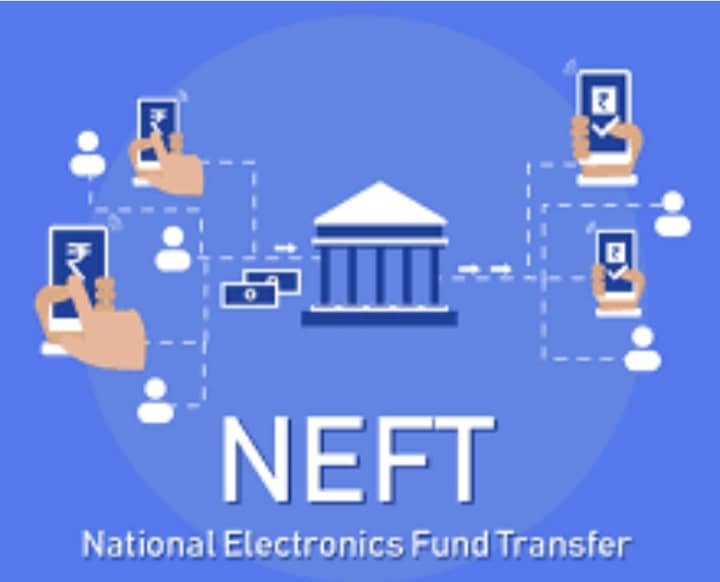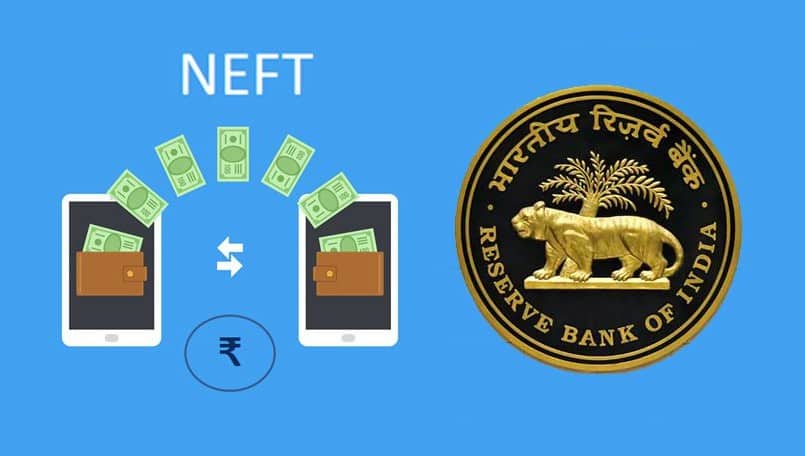
NEFT (National Electronic Funds Transfer) is an electronic payment system that allows individuals and businesses in India to transfer money securely from one bank account to another. It is regulated by the Reserve Bank of India and is widely used for online banking transactions, bill payments, salary transfers, and business payments.
NEFT works by transferring funds in batches throughout the day, enabling customers to send money between participating banks across India. Since December 2019, NEFT has been available 24 hours a day, 7 days a week, including holidays, making it a convenient option for both personal and commercial transactions.
To make an NEFT payment, the sender typically needs the recipient's name, bank account number, bank name, and IFSC (Indian Financial System Code). The transaction can be initiated through internet banking, mobile banking apps, or by visiting a bank branch. Once the payment request is submitted, the bank processes the transfer, and the funds are credited to the beneficiary's account within a short period, although the exact timing may vary depending on bank processing.
NEFT is commonly preferred for transferring moderate to large amounts because it is considered secure, reliable, and supported by most banks in India. Unlike some instant payment methods, NEFT transactions are settled in batches, but they still provide an efficient way to move funds without handling cash or cheques.
For example, a business can use NEFT to pay suppliers, an employer can transfer salaries to employees, or an individual can send money to a family member living in another city. Many banks offer NEFT services free of charge through online channels, although charges may vary for transactions initiated at bank branches.
It is also useful to understand how NEFT differs from other payment systems. IMPS provides immediate real-time transfers, while RTGS is generally used for high-value transactions that require instant settlement. NEFT strikes a balance between convenience, accessibility, and cost-effectiveness, making it suitable for a wide range of everyday banking needs.
In short, NEFT is a secure and widely used electronic fund transfer system in India that enables people and businesses to send money between bank accounts at any time, offering a dependable and convenient alternative to traditional payment methods.

Tara Verma is a practising teacher and education content writer with over 10 years of classroom experience across primary and secondary levels. She holds a Master's degree in Education (M.Ed.) from Delhi University and a Bachelor of Education (B.Ed.) from Jamia Millia Islamia — qualifications that ground her writing in both pedagogical theory and the day-to-day realities of teaching in India. Her content covers exam preparation strategies, learning methodologies, curriculum guidance, student mental health, career counselling for students, and the evolving state of school and higher education in India. Her work has appeared on platforms including TeacherVision India, Jagran Josh, and Careers360, where she writes for students, parents, and fellow educators who need content built on actual teaching experience — not theory alone. Over a decade of working directly with students across age groups and learning levels has given Tara a practical understanding of how education content should be written — clearly, accessibly, and with genuine awareness of the challenges students and teachers face on the ground. She has taught 1,000+ students, contributed to school curriculum development initiatives, and published 250+ articles on education across digital platforms. She is an active member of the National Council of Teachers of English (NCTE) India. Across all her writing, every recommendation is classroom-tested, every insight comes from direct teaching experience, and every article is held to the same standard she applies in her own classroom — accuracy, clarity, and genuine usefulness for the reader.