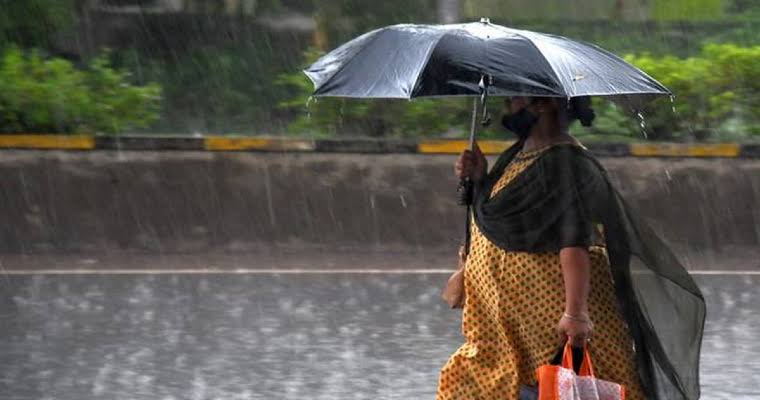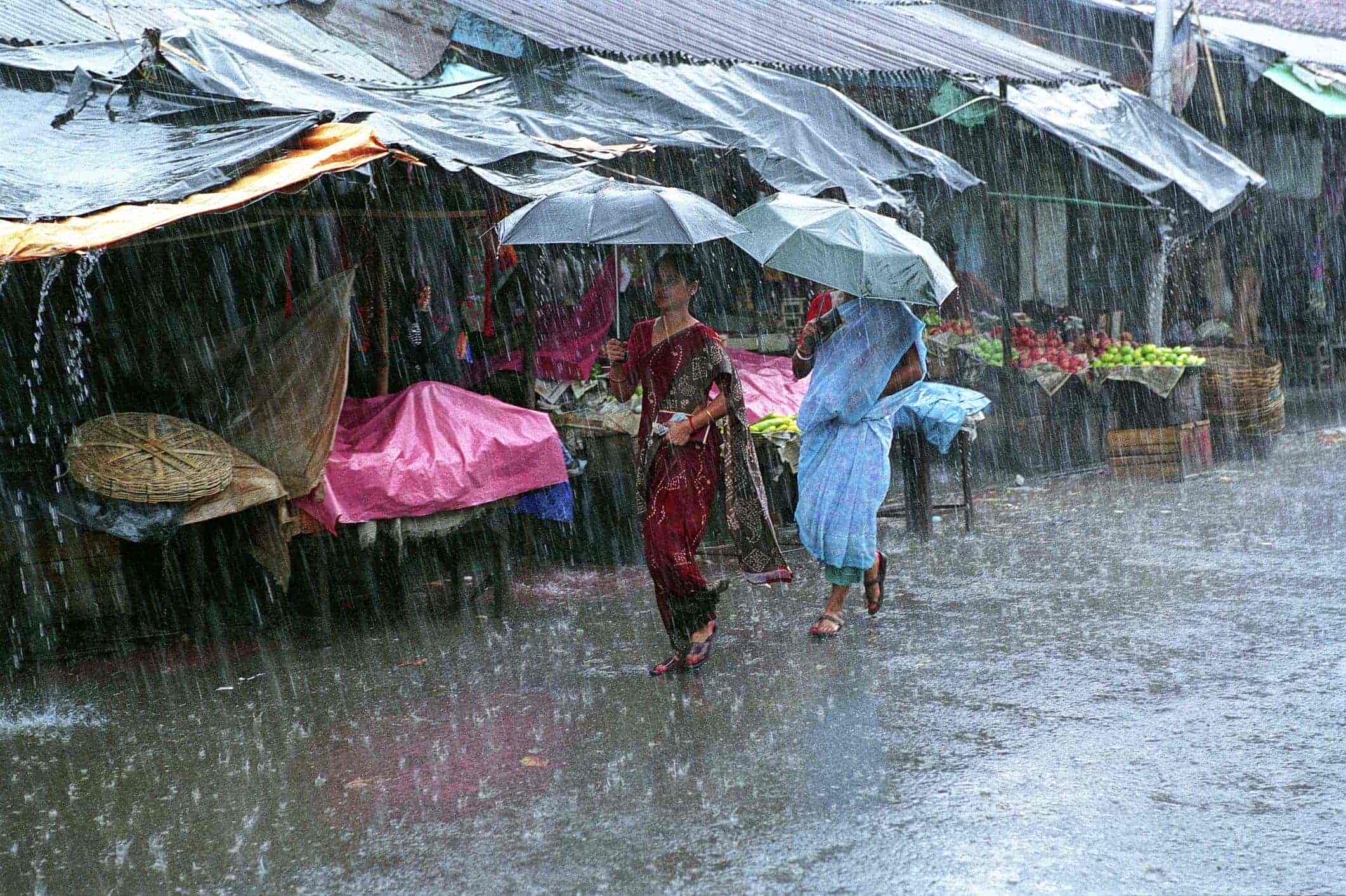
The northeast monsoon blows from late fall to mid spring. This wind brings dry air from land. It forms over vast cold lands in the high north. As land cools, high pressure builds up. This drives winds out from the heart of Asia. They sweep south east across seas toward India. The burst of cold dry air cuts rain in most parts. But it fuels storms in the Bay of Bengal and east shores. It also stirs up gales in the north east Arabian Sea off the west coast. The pattern shifts with the turn of the year. As spring nears, the land warms up once more. Low pressure systems form over north west India and Pakistan. Cool moist winds blow in from the Indian Ocean. This marks the start of the south west monsoon season. In June, heavy rains drench much of the south. By July, the wet winds turn north east to soak central parts of the subcontinent. The yearly pulse of rain and dry spells is a daily fact of life. Without the life-giving rains, vast regions would be parched wastelands. Crops would fail and streams run dry. But the same monsoon cycle can turn harsh. Floods may ravage farms and towns. Winds may whip up deadly storms at sea. For all its ups and downs, the people live by the rhythms of the monsoon winds.Yet there's bounty in this cycle too. As vegetation withers, air clears. Glimpses of far horizons open up. Cool breezes offer respite from swelter. In grooved rills and crannies, hardy mosses remain lush. Life persists in these last verdant outposts. And underground, sap seeps down deep into roots, renewing for the next lush phase. Through it all, birds trill on branches bare. Insects flit about on restless wings. Small creatures of fur and scale know the rhythms. They bide their time, awaiting the promised big rains' return. Then all will flourish once more when the North east blows itself out. Until that day of rebirth, this land rides out its hallowed dry stretch while hardy souls soak up the season's gifts.