Ethologists are scientists who study the behavior of animals in their natural environments. They seek to understand why animals behave the way they do, how certain behaviors have evolved, and how animals interact with each other and their surroundings.
Ethology is a branch of biology and zoology that focuses on observing and analyzing animal behavior under natural conditions rather than in controlled laboratory settings. Ethologists examine a wide range of behaviors, including communication, mating rituals, parenting, migration, hunting, social interactions, and responses to environmental changes. Their goal is to determine how behavior helps animals survive, reproduce, and adapt to their habitats.
One of the key principles of ethology is that many animal behaviors have evolved through natural selection because they provide survival advantages. For example, birds may perform elaborate courtship displays to attract mates, while wolves hunt cooperatively in packs to improve their chances of catching prey. By studying such behaviors, ethologists can gain insights into the evolutionary processes that shape animal life.
Ethologists typically spend a significant amount of time observing animals in the wild. They may work in forests, oceans, grasslands, or other ecosystems, carefully recording behavioral patterns and interactions. Modern ethologists also use technologies such as GPS tracking devices, camera traps, drones, and computer-based data analysis tools to monitor animal movements and collect information without disturbing natural behavior.
Several scientists have made important contributions to the field of ethology. Perhaps the most well-known are Konrad Lorenz, Nikolaas Tinbergen, and Karl von Frisch. Their pioneering research on animal behavior earned them the 1973 Nobel Prize in Physiology or Medicine. Lorenz became famous for his work on imprinting in geese, Tinbergen developed methods for studying instinctive behavior, and von Frisch discovered how honeybees communicate through the waggle dance.
The work of ethologists has practical applications in many fields. Their findings help improve wildlife conservation efforts, animal welfare practices, veterinary medicine, and zoo management. Understanding animal behavior can also assist in protecting endangered species by identifying factors that influence breeding success, migration routes, and habitat use.
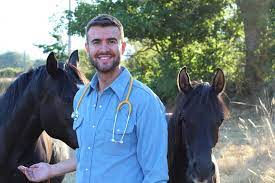
People sometimes confuse ethologists with veterinarians or animal trainers, but their roles are different. Veterinarians focus on animal health, while trainers work on modifying behavior. Ethologists primarily study behavior scientifically to understand its causes, functions, development, and evolutionary history.
Also read : Who are the Successful people who made a big career change ?