Answered on09/02/26
Food banks are important because they help provide nutritious food to people and families facing financial difficulties. They support communities during difficult times and help reduce food insecurity.

0

.png&w=3840&q=75)
Join this conversation
Food banks are important because they help provide nutritious food to people and families facing financial difficulties. They support communities during difficult times and help reduce food insecurity.
My name is Simon Hopes, 24years experience in writing, digital marketing field and I think food banks are important because they help provide nutritious food to people and families facing financial difficulties or food insecurity. They reduce hunger, support vulnerable communities, and ensure that surplus food can reach those who need it. Food banks also bring communities together by encouraging donations and volunteering.

In a world that produces more than enough food to feed its entire population, the reality of empty plates and hungry families can be difficult to comprehend. When sudden economic downturns, natural disasters, or personal crises strike, communities naturally ask: "Why are food banks so important?" The answer is that they act as a vital, immediate safety net that stands between vulnerable populations and starvation. Food banks do not just hand out meals; they rescue millions of pounds of perfectly good surplus food from ending up in landfills and redistribute it to working families, the elderly, and children who would otherwise go to bed hungry. They are the ultimate bridge between excessive food waste and desperate human need.
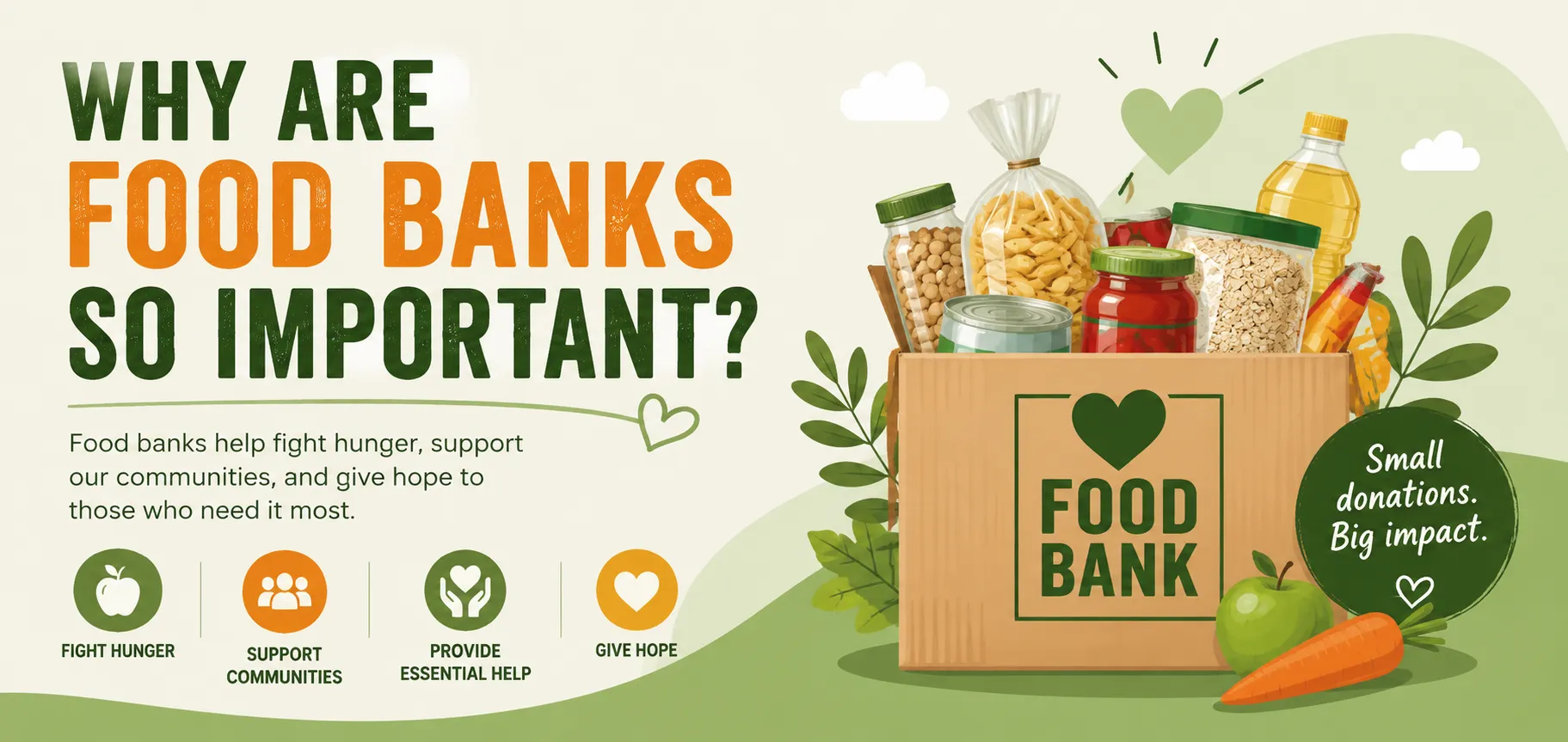
When many people picture someone who relies on a food bank, they often rely on outdated stereotypes. However, modern food insecurity looks very different. The majority of people utilizing food banks are actually employed individuals. They are working families whose paychecks simply cannot keep up with the skyrocketing costs of rent, utilities, and medical bills.
A sudden car repair or an unexpected illness is often all it takes to wipe out a family's grocery budget for the month. For seniors living on fixed incomes, the choice is frequently between buying life-saving medication or buying dinner. In these critical moments, food banks step in to remove that impossible choice, providing dignity and sustenance to people who are simply experiencing a temporary, agonizing financial shortfall.
To truly understand the impact of these organizations, one must look at the macro-level logistics of the food industry. Farms, grocery stores, and manufacturers regularly produce more food than they can sell. Without intervention, this surplus is thrown away, rotting in landfills and releasing harmful methane gases into the atmosphere.
Food banks operate massive logistical networks to intercept this surplus before it is wasted. By partnering with local supermarkets and agricultural centers, they rescue fresh produce, dairy, and proteins. Therefore, supporting a food bank is not just an act of social charity; it is a profound act of environmental conservation.
To better understand how these organizations stabilize a community, here is a comparison of what local infrastructure looks like with and without the presence of a robust food bank:
Impact Area | Without a Food Bank | With a Food Bank |
|---|---|---|
Emergency Support | Families are forced to skip meals during sudden financial crises. | Immediate, no-questions-asked access to emergency groceries. |
Food Waste | Thousands of tons of unsold, edible food are sent to landfills. | Perfectly good surplus is rescued, sorted, and redistributed. |
Public Health | Higher rates of malnutrition, diabetes, and developmental delays in children. | Consistent access to fresh produce, protein, and balanced nutrition. |
Community Resilience | Low-income residents suffer in isolation with limited community resources. | Serves as a centralized hub that connects people to other social services. |
Understanding why are food banks so important? means recognizing the holistic benefits they bring to society at large. Here are the core reasons these institutions are indispensable:
Immediate Crisis Relief: Unlike government assistance programs that can take weeks to process applications, food banks can provide a desperate family with a box of nutritious food on the exact same day they need it.
Environmental Protection: By diverting millions of pounds of food waste from landfills, food banks actively reduce greenhouse gas emissions and promote a more sustainable, circular economy.
Childhood Development: Children cannot focus in school when their stomachs are empty. Food banks often run specific "backpack programs" to ensure children have nutritious food over the weekends, directly improving their academic performance.
Holistic Support: Modern food banks are evolving. Many now offer supplementary services alongside food distribution, such as job training, nutritional cooking classes, and financial literacy workshops to help families break the cycle of poverty.
How do food banks actually get their food?
While community canned-food drives are popular, the vast majority of a food bank's inventory comes from large-scale corporate partnerships. They rescue surplus items directly from massive grocery chains, local farmers, food manufacturers, and corporate distributors who have overstock or cosmetically imperfect (but perfectly safe) goods.
Who is allowed to use a food bank?
The rules vary by location, but the overarching goal of modern food banking is low-barrier access. While some specialized pantries may require a referral from a social worker, most community food banks operate on an honor system, providing food to anyone who shows up and expresses a need.
What is the best way I can help my local food bank?
While donating canned goods is always appreciated, the absolute best way to help is by donating money. Because food banks buy in massive wholesale quantities and have special relationships with distributors, a single donated dollar can often purchase up to three or four meals—far more than you could buy at the grocery store for the same amount.
Whenever someone asks, "Why are food banks so important?", the most profound answer is that they provide hope and stability in moments of quiet desperation. They are the logistical heart of community compassion, turning the massive problem of global food waste into a direct solution for local hunger. By ensuring that a sudden job loss or medical emergency does not result in starvation, food banks protect the dignity, health, and future of our most vulnerable neighbors. Supporting them is one of the most direct and effective ways to build a stronger, healthier, and more resilient society.
Sources & References: Feeding America
Also Read: What is the difference between a food bank and food pantry?
FoodBanks is an organization who distribute free food to the poor kids. They encourage food businesses to reduce the food waste.Donating food actually helps many kids while do not sleep in empty stomach,Each year billions of pounds of food is wasted while one in four people in the world are malnourished.Many big celebs and minister used to donate many foods, medicine to NGO which help people in many health problems.
.jpeg&w=640&q=75)
Also read this:- What are the major banks in ny?