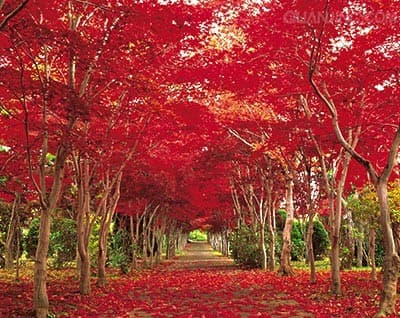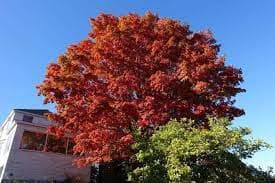
Canada is often called the "Land of Maple" because maple trees have played an important role in the country's history, culture, and national identity for centuries. The nickname comes from the abundance of maple trees found across Canada, particularly in provinces such as Ontario, Quebec, New Brunswick, and Nova Scotia.
One of the main reasons maple trees are so closely associated with Canada is maple syrup production. Canada is the world's largest producer of maple syrup, with Quebec alone accounting for a significant share of global production. For many Canadians, maple syrup is more than just a food product—it's a symbol of tradition and heritage.
The maple leaf also became an important national symbol over time. Long before it appeared on the Canadian flag, the maple leaf was used as an emblem by military units, cultural organizations, and communities. It represented the natural beauty of the country and the strong connection Canadians had with their environment.
A major milestone came in 1965 when Canada officially adopted its current national flag featuring a red maple leaf at the center. Since then, the maple leaf has become one of the most recognizable national symbols in the world. Today, it appears on government materials, sports uniforms, souvenirs, and countless representations of Canadian identity.
Another reason the maple tree holds special significance is its historical value. Indigenous peoples in North America were collecting and processing maple sap long before European settlers arrived. Early settlers later learned these techniques and helped expand maple syrup production, making it an important part of Canadian culture and economy.
In my view, the nickname "Land of Maple" is not just about the number of maple trees found in Canada. It reflects how deeply the maple tree is woven into the country's history, traditions, economy, and national identity. When people think of Canada, one of the first images that often comes to mind is the iconic red maple leaf, which shows just how strong this connection remains today.
Overall, Canada is called the "Land of Maple" because maple trees and maple products have become enduring symbols of the country's heritage and identity.
Also Read: How much does it cost to travel and stay in Canada?