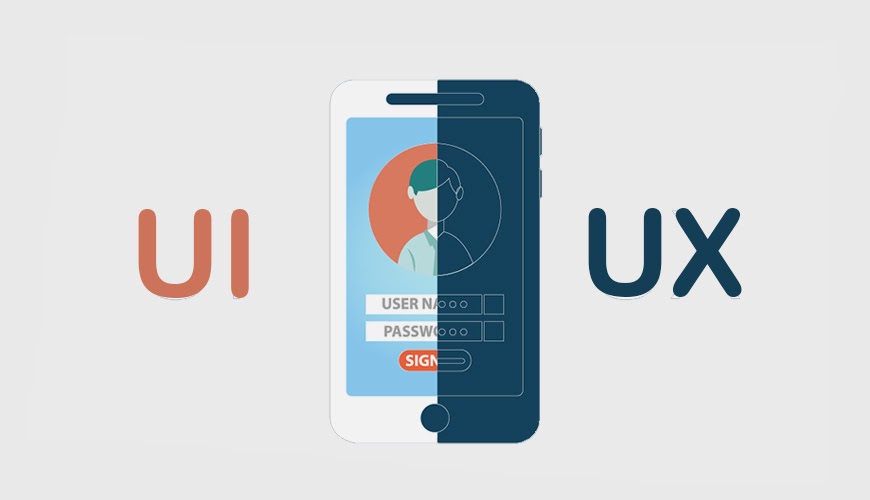
UI (User Interface) and UX (User Experience) are two crucial aspects of modern design that play a pivotal role in creating successful digital products and platforms. Let's delve into why UI/UX is so important:
1. First Impressions Matter:
A well-designed UI grabs users' attention and makes a positive first impression. When users land on a website or open an app, they should feel comfortable and engaged. An intuitive interface with visually appealing elements sets the stage for a great user experience.
2. User-Centric Approach:
UI/UX design revolves around the needs and preferences of users. Understanding the target audience and tailoring the design accordingly ensures that users can easily navigate through the product, find what they need, and accomplish their goals effortlessly.
3. Navigation and Usability:
A well-structured UI design enhances navigation and usability. Intuitive menus, clear labels, and consistent design patterns contribute to a smooth user journey. Users should be able to access content and features without confusion or frustration.
4. Enhances Accessibility:
UI/UX design plays a vital role in making digital products accessible to a wider range of users, including those with disabilities. By incorporating accessible design principles, you ensure that your product is usable by everyone, regardless of their abilities.
5. Builds Trust and Credibility:
A professionally designed UI/UX instills trust and credibility in users. A clean, modern design suggests that the product is reliable and up-to-date, which can positively influence users' perception of the brand.
6. Reduces User Abandonment:
If users find a product difficult to use or navigate, they're more likely to abandon it. A poor UI/UX design can lead to frustration and high bounce rates. On the other hand, a well-designed interface keeps users engaged and encourages them to explore further.
7. Competitive Advantage:
In today's competitive digital landscape, having a superior UI/UX design can set your product apart from the rest. Users are more likely to choose a product that provides an enjoyable and hassle-free experience over a clunky or confusing alternative.
8. Increases User Engagement:
Engaging experiences keep users coming back. By incorporating interactive elements, thoughtful animations, and personalized content, UI/UX design can boost user engagement and retention rates.
9. Streamlines Complex Processes:
For applications or platforms with intricate workflows, a well-designed UI/UX can simplify complex processes. By breaking down tasks into manageable steps and providing clear guidance, users are more likely to successfully complete their objectives.
10. Iterative Improvement:
UI/UX design is not a one-time task; it's an ongoing process of improvement. Analyzing user feedback, tracking user behavior, and making iterative design changes based on data can lead to continuous enhancement of the user experience.
In summary, UI/UX design is crucial because it shapes how users interact with digital products and influences their overall perception of a brand. A thoughtful, user-centered approach to design can lead to higher user satisfaction, increased engagement, and better business outcomes.

.jpeg)