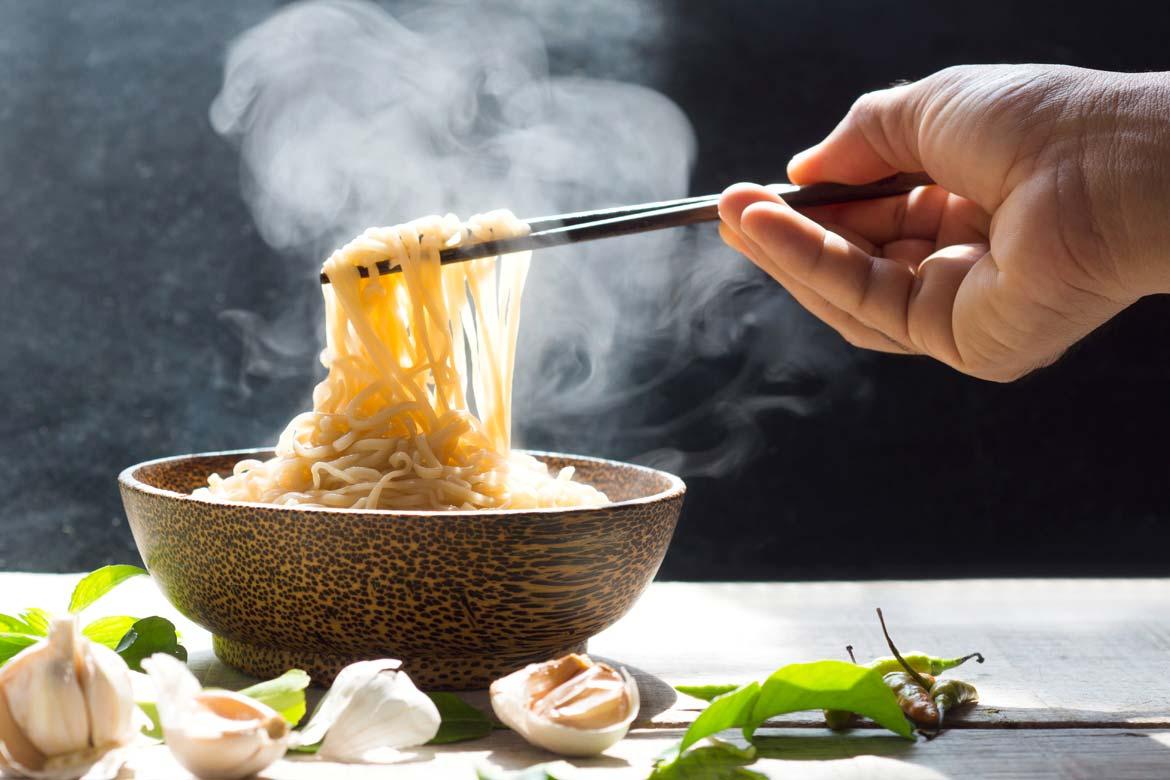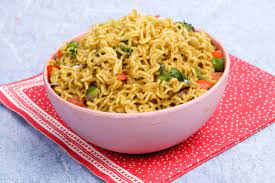
The concern about whether Maggi noodles is “bad for health” is very common, especially among young people. The honest answer is: it is not inherently poisonous or unsafe when eaten occasionally, but it is also not a healthy everyday food.
Maggi is a type of instant noodles that is highly processed. This means it is made using refined flour, added flavor enhancers, preservatives, and a seasoning packet that usually contains salt, oil, and spices. Because of this processing, it is designed for convenience and taste, not for balanced nutrition.
One of the main concerns is high sodium (salt) content. The seasoning packet contains a large amount of salt, which, if consumed frequently, can contribute to high blood pressure and water retention. Eating too much salty food regularly is not good for heart health in the long run.
Another issue is that Maggi is usually low in essential nutrients like protein, fiber, vitamins, and minerals. It fills your stomach, but it does not provide balanced nutrition. If someone eats it too often instead of proper meals, it can lead to nutritional imbalance over time.
It is also important to understand the role of refined carbohydrates and processed oils used in instant noodles. These ingredients digest quickly and may not keep you full for long, which can lead to overeating later. However, occasional consumption does not cause harm in a healthy individual.
There was also a controversy in some countries in the past regarding safety standards, but those issues were addressed, and products were tested and reintroduced after meeting regulatory guidelines. Today, Maggi is widely available and legally sold in many countries, including India.
So, is it “bad”? The correct way to see it is this:
- If you eat Maggi once in a while, it is generally fine for most people.
- If you eat it frequently as a meal replacement, it can negatively affect your health over time.
- If you balance it with vegetables, eggs, or protein, it becomes slightly better nutritionally.
In conclusion, Maggi is not dangerous by itself, but it is also not a healthy daily food. The key is moderation. Like many processed foods, it should be treated as an occasional convenience snack, not a regular part of your diet.