A
Abdul Malik· 8 years ago
Discovering recipes, cooking techniques, and food ideas that make every meal enjoyable and approachable.

What are some of the food items discontinued in India?

1
2.1K

Join this conversation

Sort By
Replying to the question above
Updated on07/25/26

Many food products that were once popular in India have been discontinued over the years due to changing consumer preferences, low sales, or companies updating their product portfolios.

Some well-known examples include:

  • Shyam-G

  • Hippo Chips (temporarily discontinued before a limited return)

  • Pepsi Blue (older version)

  • Maggi Dal Atta Noodles

  • Haldiram Minute Khana (selected products)

  • Various regional snack and biscuit variants that were phased out due to low demand

Food brands regularly discontinue products when they don't perform well in the market or when they introduce newer flavors and healthier alternatives.

As someone working in the FMCG snack industry, I've noticed that today's consumers prefer products with:

  • Better taste and quality

  • Hygienic packaging

  • Affordable pricing

  • New and exciting flavors

  • Consistent availability

Because of this shift, many snack manufacturers are focusing on innovative products such as flavored popcorn, premium potato chips, namkeen, and ready-to-eat snacks instead of older low-demand items.

The Indian packaged snacks market continues to evolve, and companies that maintain quality, hygiene, and innovation are more likely to succeed than those relying only on legacy products.

I work in the snack manufacturing industry, so these observations are based on my experience and current FMCG market trends.

If you'd like to learn more about how packaged snacks are manufactured in India, you can read this detailed guide.


Amit Singhal
SEO Enthusiast and FMCG Industry Professional
View Profile

I work in the Indian FMCG industry and enjoy learning about SEO, content writing, retail business, and digital marketing. I like sharing practical ideas, learning from others, and discussing topics related to food, snacks, branding, and business growth. I believe simple and useful information helps everyone make better business decisions.

0
Replying to the question above
Answered on05/08/26

Over the years, many food and beverage products in India have been discontinued, temporarily removed, or relaunched due to changing consumer tastes, health concerns, regulations, or business decisions. Some of these items are still remembered fondly by people, especially because they were popular during childhood.

One of the most well-known cases is Pepsi Blue. It was launched with a lot of hype but was discontinued because it did not perform well in the market. Many people found its taste unusual, and eventually it was pulled out of circulation in India.

Another famous case is Orbit Gum. Orbit chewing gum was once very popular in India, especially among young people. However, it was discontinued in the Indian market around 2022 as part of global business changes by the company, even though similar products still exist under different branding.

A very interesting example is Cadbury Bytes. This snack was very popular in the early 2000s but was discontinued for several years. Due to strong nostalgia and demand, it was later relaunched in a new form, showing how consumer emotions can bring back old products.

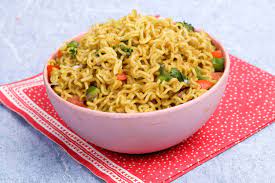
Another major example is the temporary ban of Maggi noodles in 2015 in India. Although Maggi was not permanently discontinued, it was removed from shelves for a few months due to regulatory concerns. It later returned after passing safety tests, and today it remains one of the most popular instant noodles in the country.

There are also soft drinks and local beverages that have disappeared over time. For example, some older regional cola brands like Campa Cola disappeared for many years before being reintroduced in the market. Changing competition from global brands often affects the survival of such products.

In addition, many biscuit, candy, and snack variants from companies like Parle, Britannia, and others have been quietly discontinued or replaced with newer versions as companies update their product lines based on demand.

In conclusion, food items get discontinued in India mainly due to low demand, health regulations, changing consumer preferences, or company strategy. However, the interesting part is that some products never truly “die”—they often return in new forms when people miss them enough.

M
View Profile
0
Replying to the question above
Answered on02/02/26

Several food items once popular in India were discontinued due to low demand or changing tastes. Cadbury Bytes and Cheetos were phased out despite strong fan followings. Pepsi Blue failed to sustain long-term sales. Products like Maggi Dal Atta Noodles and Kellogg’s All Bran struggled in niche markets, leading to their discontinuation.

Sgr catering
Internet Culture Observer
View Profile
0
Replying to the question above
Answered on12/21/17

There are many food items that you won’t be able to buy again in India –

Nestle Milo – Nestle discontinued this product in India as Boost had more sales than Milo.

Big Babol – I remember buying this everyday when I was in 7th standard. I was addicted to it and I love to it.

Center shock – Another tasty chewing gum.

Pespi Blue - ‘Pepsi blue’ was another one of the things discontinued, as it was found out that it included the ingredient of Blue 1. This was a dye, and it was actually banned in many countries. Another reason for its banning was that it resembled to Kerosene way too much, and it was feared that people might mix those things up. A case like this actually happened with a boy, thus it was discontinued for the safety of the people.

Hippo chips - These chips named ‘Hippo’ were another thing I used to eat a lot during my childhood, but there is no potential accusation found against it, or a reason as to why they stopped producing it. It still vanished from the stores and was gradually no more available, but we can say that the competitiveness led them to stop producing this one.

Also read - What are the top 10 breakfasts in India?

R
View Profile
0
Answered on01/22/18

The reason behind this question is that, on an average a traditional Indian dish has at least 7 ingredients that often have various flavors or spicing that are heterogeneously combined so that each bite or mouthful can revel different combinations of flavor elements that burst upon the tongue at different times in the chewing process. The main distinctive factor about Indian food is the unique amalgamation of spices across different recipes. Indian cuisine is characterised by the extensive use of these spices, each imparting a unique flavor and making the dish uniquely aromatic. Also the way the in which the ingredients of the Indian Cuisines are paired is also a major reason which makes it distinctive.In Indian food all the ingredients has its own list of flavor compounds. In a recent research it has been found that in Indian Cuisine the ingredients are tended to mix in such a way that the flavors don’t overlap at all.

Also read - Is Maggie really bad for health?

Letsdiskuss

K
View Profile
1
0
Replying to the question above
Answered on04/16/20
Large Babol Chewing Gum - I used to have these as a child however they were ended after a since quite a while ago run. Pepsi Blue - Unlike its unique partner, this one wasn't fruitful and its creation and deal was ceased not long after it was presented.
A
Author
View Profile
0
Replying to the question above
Answered on01/01/19
Birizza — Pizza Hut also released a combination of Pizza And Biryani. But as we all know, Never mess up with Biryani. It flopped and they stopped it.
A
Author
View Profile
0
Replying to the question above
Answered on12/21/17

Now, this is an issue that has been the topic of discussions for a while now, and I wanted to write this answer once and for all.

I am writing this after loads of research from reliable resources. Now when we talk about ‘Maggi’, we’re not only talking about the specific brand, but any kind of instant noodles that are available in the market. These are the ones which are mainly cooked in two minutes, and are painfully tasty and kind of addictive, I’ll give them that.

But after having gone over all of my research, I have decided to never eat Maggi ever again in my life. Some people might believe that Maggi is a lot better than other fried items, only because of the fact that it is ‘boiled’, but this is a total misconception.

Maggi is mainly made out of ‘maida’, and after wards, its manufacturing process includes deep frying these noodles in cooking oil. The cooking oils which are used in these procedures are mainly the ones which consist of an extreme amount of Trans Fats. And Trans Fats are hazardous to your health, believe me. These may lead to diseases like Cholesterol and other blockages in your blood vessels.

Moreover, these noodles have been found to contain an excessive amount of MSGs and lead in them. MSGs are basically salts which are added to foods for flavor, but excessive use of these MSGs can lead to a lot of diseases. This is actually the main element which makes these instant noodles so tasty and addictive. Lead is also present in these noodles, in an amount which is way more than the permissible amount declared by the authorities.

So it is clear that you should definitely not see these noodles as healthy, and try to avoid them as much as possible.

Also read - Why is Indian food so different?

Letsdiskuss

0
0
Replying to the question above
Answered on10/25/18
Milo

Hippo Chips

Centre Shock Chewing Gum

Milk Treat

Torino

Lays Chaat Street

Bytes

Ulta Perk

RimJhim

Pepsi Blue

Harnik sweet cigarette

Pan pasand

Cadbury chocki

Campa cola

Boomer

Big babol

N
View Profile
0